Bunion Care and Treatment in Los Angeles
Bunions are more than just a cosmetic concern; they can significantly impact your quality of life. At Los Angeles Neuropathy and Foot Care Center, we understand the discomfort and frustration that bunions can cause.
What is a Bunion
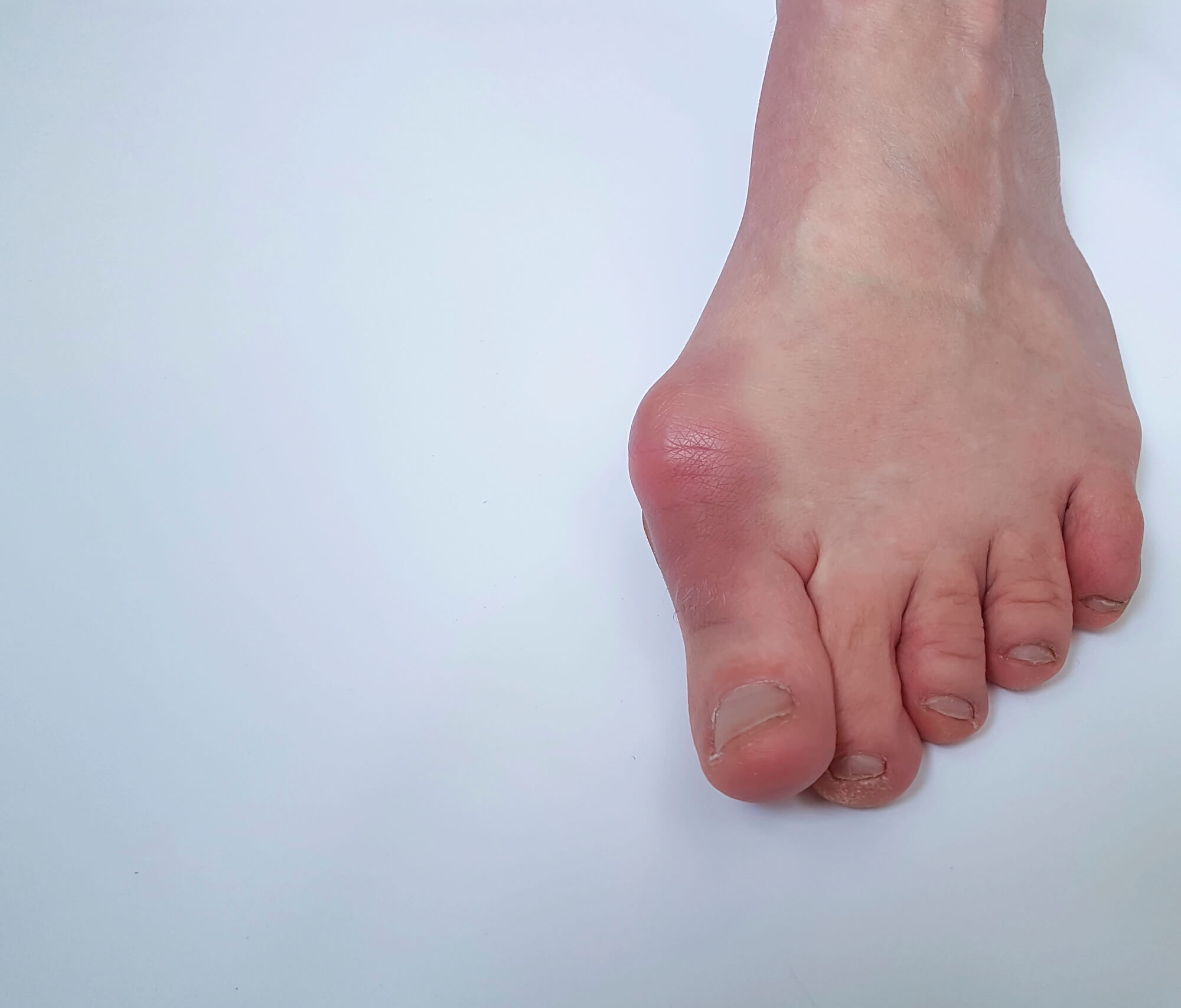
A bunion, medically known as hallux valgus, is a progressive deformity that affects the metatarsophalangeal (MTP) joint at the base of the big toe. As the condition worsens, the big toe starts to lean towards the second toe, sometimes overlapping it.
Common causes
- Genetics play a significant role - if your parents or grandparents had bunions, you're more likely to develop them.
- Prolonged use of high-heeled or narrow shoes can exacerbate the condition.
- Certain occupations that put stress on your feet (e.g., ballet dancers, teachers) may increase your risk.
- Medical conditions like rheumatoid arthritis can lead to bunion formation due to joint inflammation.
Symptoms and complications
- Pain can range from a dull ache to sharp, severe discomfort.
- Swelling and redness around the joint, especially after long periods of standing or walking.
- Corns or calluses may develop where the first and second toes overlap.
- Decreased flexibility in the big toe, making it difficult to bend.
- Increased risk of developing bursitis, hammertoes, or metatarsalgia.
II. Non-Invasive Holistic Treatments
Our approach at Los Angeles Neuropathy and Foot Care Center is to start with the least invasive treatments possible. We believe in addressing not just the symptoms, but the underlying causes of your bunion pain.
- Custom orthotics are designed to redistribute pressure away from the bunion area.
- We'll guide you in selecting shoes with a wide, deep toe box and good arch support.
- Specialized bunion pads or splints may be recommended for additional comfort.
Physical therapy and exercises
- Toe spacers and stretching exercises can help realign the big toe.
- Strengthening exercises for the intrinsic foot muscles can improve overall foot function.
- We may recommend specific yoga poses or Pilates exercises that benefit foot health.
Lifestyle modifications
- Weight management to reduce pressure on your feet.
- Advice on modifying work environments if you stand for long periods.
- Guidance on proper foot care, including massage techniques and proper trimming of toenails.
Pain management techniques
- Contrast baths (alternating hot and cold water) can help reduce inflammation.
- We may suggest specific over-the-counter or prescription anti-inflammatory medications.
- Night splints can help position the toe correctly while you sleep.

Minimally Invasive Bunion Surgery
At Los Angeles Neuropathy and Foot Care Center, we specialize in advanced minimally invasive bunion surgery techniques. This innovative approach offers numerous benefits over traditional open surgery and can be an excellent option for many patients.
Overview of the procedure
Minimally invasive bunion surgery, also known as keyhole or percutaneous surgery, is a state-of-the-art technique that corrects bunion deformities through tiny incisions.
The procedure is typically performed under local anesthesia with sedation, allowing for quicker recovery and reduced risks associated with general anesthesia.
- We make 2-3 small incisions, each about 2-3 mm in length, around the affected joint.
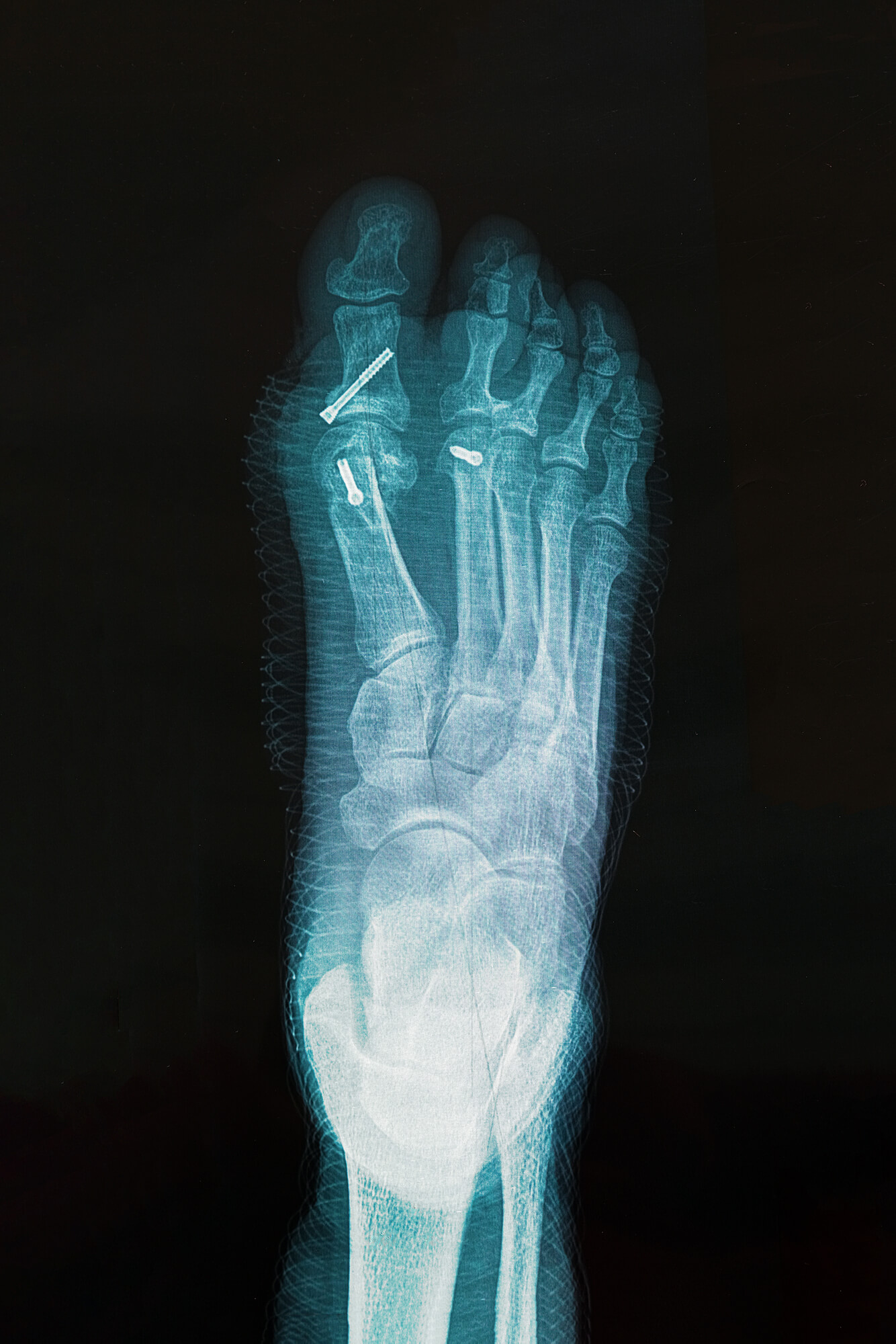
- Using specialized instruments and real-time X-ray guidance (fluoroscopy), we precisely cut and realign the bone.
- The corrected position is usually maintained with small, internal wires or screws.
- The entire procedure often takes less than an hour, though this can vary depending on the severity of the bunion and any additional procedures required.
Benefits compared to traditional surgery
Minimally invasive bunion surgery offers several advantages:
- Smaller incisions: This results in less scarring and a lower risk of wound complications.
- Reduced tissue damage: We can correct the bunion without extensively cutting through muscles, tendons, or ligaments.
- Less postoperative pain: Patients typically experience less discomfort due to the minimal tissue disruption.
- Faster recovery: Many patients can walk immediately after surgery, often returning to normal shoes within 2-4 weeks.
- Lower risk of complications: Smaller incisions mean a reduced risk of infection and nerve damage.
- Improved cosmetic outcome: The tiny incisions result in minimal visible scarring.
- Outpatient procedure: Most patients can go home the same day as their surgery.
Candidacy for minimally invasive surgery
While minimally invasive bunion surgery is an excellent option for many, it’s not suitable for everyone. Ideal candidates typically:
- Have mild to moderate bunion deformities
- Possess good bone quality
- Do not have significant arthritis in the affected joint
- Have not had previous bunion surgery on the same foot
- Are in generally good health without conditions that might impair healing
We conduct a thorough evaluation to determine if you’re a good candidate, including:
- Comprehensive foot examination
- Review of your medical history and lifestyle factors
- X-rays to assess the severity of the bunion and overall foot structure
- Discussion of your goals and expectations from the surgery
The surgical process
Preparation:
- We’ll provide detailed pre-operative instructions, including any necessary fasting and medication adjustments.
- On the day of surgery, we thoroughly clean and prepare the surgical site.
Anesthesia:
- Local anesthesia is administered to numb the foot.
- Sedation may be used to ensure your comfort during the procedure.
Surgical technique:
- Using specialized instruments, we make precise cuts in the bone (osteotomies) to realign the joint.
- Any prominent bone is carefully removed.
- If necessary, soft tissue adjustments are made to balance the joint.
- The corrections are secured with small, internal fixation devices.
Recovery and aftercare
Closure:
- The tiny incisions are closed with a single stitch or surgical tape.
- A sterile dressing is applied to protect the surgical site.
Immediate post-op:
- Most patients can put weight on the operated foot immediately, using a special post-operative shoe.
- You’ll receive detailed instructions for home care, including elevation, ice application, and medication use.
First few weeks:
- You’ll wear a protective shoe or boot for 2-4 weeks.
- Regular follow-up appointments allow us to monitor your healing and remove any temporary pins if used.
- Gentle exercises may be introduced to maintain flexibility.
Return to activities:
- Most patients can return to desk jobs within a week.
- More physical jobs may require 2-3 weeks off work.
- Return to sports and high-impact activities is usually possible within 6-8 weeks.
Long-term results:
- Full healing and final results are typically seen within 3-4 months.
- We provide guidance on proper footwear and preventive measures to maintain your results long-term.
Potential risks and complications
While minimally invasive bunion surgery is generally safe, it’s important to understand potential risks:
- Infection (though the risk is lower than with traditional surgery)
- Nerve injury or numbness (usually temporary)
- Recurrence of the bunion (if the underlying cause isn’t addressed)
- Stiffness in the big toe joint
- Delayed bone healing
Our experienced team takes every precaution to minimize these risks and will discuss them thoroughly during your consultation.
Why choose us for minimally invasive bunion surgery?
- Our surgeons have extensive training and experience in minimally invasive techniques.
- We use the latest technology and equipment for precise surgical execution.
- Our comprehensive approach includes personalized pre-operative planning and attentive post-operative care.
- We’re committed to achieving not just cosmetic improvement, but also optimal foot function.
At Los Angeles Neuropathy and Foot Care Center, we’re dedicated to providing you with the most advanced and effective bunion treatments available. We encourage you to schedule a consultation to discuss whether minimally invasive bunion surgery might be right for you.
Traditional Bunion Surgery
For severe bunions or complex cases, traditional surgery may be the most effective treatment option.
Types of procedures
- Osteotomy: Cutting and realigning the bone.
- Exostectomy: Removing the bunion bump.
- Arthrodesis: Fusing the affected joint.
When traditional surgery is recommended
- Severe bunion deformities.
- Significant arthritis in the joint.
- When minimally invasive techniques are unlikely to provide sufficient correction.
Recovery process and timeline
- Recovery typically takes 6-8 weeks, with full healing in 4-6 months.
- Physical therapy is often recommended to restore strength and flexibility.
- We provide comprehensive pain management and wound care instructions.
Other Bunion-Related Issues
Bunions often don’t occur in isolation. We provide comprehensive care for related foot conditions.
A. Hammertoes
- Can develop as a result of bunions pushing toes out of alignment.
- We offer both conservative and surgical treatments.
B. Bursitis
- Often occurs when bunions cause friction against shoes.
- Treatment may include padding, medications, or in severe cases, aspiration of the bursa.
C. Metatarsalgia
- Pain in the ball of the foot can result from altered foot mechanics due to bunions.
- We address this through custom orthotics, proper footwear, and sometimes metatarsal pads.
Why Choose Los Angeles Neuropathy and Foot Care Center
A. Expertise in bunion treatments
- Our podiatrists have advanced training in the latest bunion treatment techniques.
- We regularly attend conferences and workshops to stay current with advancements in podiatric care.
B. State-of-the-art facilities
- Our clinic is equipped with advanced diagnostic tools, including digital X-ray and ultrasound.
- We use the latest surgical equipment for optimal outcomes.
C. Patient-centered approach
- We take the time to educate you about your condition and all available treatment options.
- Our team works collaboratively to ensure comprehensive care, including addressing any underlying issues that may have contributed to your bunion.
Consultation and Next Steps
A. What to expect during your first visit
- A thorough medical history review, including any previous foot treatments.
- Gait analysis to assess how bunions affect your walking pattern.
- Detailed explanation of your diagnosis and proposed treatment plan.
B. Insurance and payment options
- We work with most major insurance providers and can help you understand your coverage.
- For those without insurance, we offer transparent pricing and payment plans.
C. How to schedule an appointment
- Our friendly staff is available to answer any questions and schedule your consultation.
- We offer flexible appointment times, including early morning and evening slots, to accommodate your schedule.
At Los Angeles Neuropathy and Foot Care Center, we’re committed to helping you find relief from bunion pain and preventing further progression of the condition. Don’t let foot pain limit your life – reach out to us today to start your journey towards healthier, happier feet.
Frequently Asked Questions
The results of bunion surgery, whether minimally invasive or traditional, are typically long-lasting. However, it’s important to note that bunions can recur if the underlying causes (such as foot type or improper footwear) aren’t addressed. With proper care and following post-operative instructions, most patients enjoy permanent relief. We recommend annual check-ups to monitor your foot health and catch any potential issues early.
While it’s possible to have both feet operated on simultaneously, we generally recommend addressing one foot at a time. This approach allows you to have one functional foot for mobility during the initial recovery period. The decision to operate on both feet at once depends on various factors, including your overall health, lifestyle, and the severity of the bunions. We’ll discuss the best approach for your specific situation during your consultation.
Yes, there are several non-surgical treatments for bunions that we often recommend before considering surgery. These include custom orthotics, specialized bunion splints worn at night, physical therapy, and changes in footwear. We also offer advanced treatments like extracorporeal shock wave therapy (ESWT) which can help alleviate pain associated with bunions. While these treatments can’t reverse the bone deformity, they can often provide significant pain relief and slow the progression of the bunion. We always start with conservative treatments and only recommend surgery when these methods don’t provide adequate relief.