Heel Pain by Podiatrist in Torrance and Los Angeles CA
Heel pain is a common condition that affects many individuals, often interfering with daily activities and reducing quality of life. At Los Angeles Neuropathy and Foot Care Center, we understand the impact that heel pain can have on your mobility and overall well-being. Our podiatry experts specialize in diagnosing and treating various causes, including plantar fasciitis, neuropathy, and other foot-related issues. Proper diagnosis and timely treatment are crucial for effective management and prevention of chronic heel pain.
Common Causes of Heel Pain
Plantar Fasciitis
Plantar fasciitis is one of the most frequent causes of heel pain. It occurs when the plantar fascia, a thick band of tissue connecting your heel bone to your toes, becomes inflamed. This condition is often characterized by a sharp pain in the heel, especially with the first steps in the morning or after periods of rest.
Achilles Tendinitis
This condition involves inflammation of the Achilles tendon, which connects your calf muscles to your heel bone. Achilles tendinitis often results from overuse or sudden increases in physical activity, causing pain at the back of the heel.
Heel Spurs
Heel spurs are bony growths that develop on the underside of the heel bone. While not always painful, they can cause significant discomfort when associated with plantar fasciitis or other foot conditions.
Neuropathy-related heel pain
Neuropathy, or nerve damage, can lead to burning, tingling, or numbness in the heels. This type of heel pain is often associated with conditions like diabetes and requires specialized care from podiatry experts.
Stress fractures
Small cracks in the heel bone, known as stress fractures, can develop from repetitive force or overuse. These fractures often cause deep, aching pain in the heel area.
Bursitis
Inflammation of the bursa, a small fluid-filled sac that acts as a cushion between bones, tendons, and muscles, can cause pain at the back of the heel.
Understanding these connections is crucial for your foot health. That’s why our treatment approach doesn’t just focus on neuropathy symptoms, but also includes careful monitoring for these related conditions. We’ll teach you how to inspect your feet daily and what warning signs to watch for.
Remember, with neuropathy, your feet need extra care and attention. But don’t worry – we’re here to guide you every step of the way.
Symptoms of Heel Pain
A. General symptoms
- Pain in the heel area, which may be sharp or dull
- Difficulty walking, especially first thing in the morning or after sitting for long periods
- Swelling or redness in the heel
- Warmth in the affected area
Specific symptoms related to different causes
- Plantar fasciitis: Stabbing pain near the heel, often worse in the morning
- Achilles tendinitis: Pain and stiffness along the Achilles tendon
- Heel spurs: Chronic pain when walking, jogging, or running
- Neuropathy: Burning, tingling, or numbness in the heel and foot
- Stress fractures: Deep, aching pain that worsens with activity
- Bursitis: Pain at the back of the heel, especially when walking uphill or wearing shoes that rub against the heel
Diagnosis Methods
At Los Angeles Neuropathy and Foot Care Center, we employ a comprehensive approach to diagnose the underlying cause of your heel pain:
A. Physical examination
- Our podiatrists will conduct a thorough examination of your foot, checking for areas of tenderness, swelling, and reduced range of motion. We'll also assess your gait and overall foot structure.
B. Imaging techniques
- X-rays: To rule out fractures and detect heel spurs
- MRI (Magnetic Resonance Imaging): For detailed images of soft tissues, helpful in diagnosing plantar fasciitis and tendon injuries
- Ultrasound: To visualize soft tissue inflammation and damage
C. Nerve conduction studies
- For patients with suspected neuropathy, we may recommend nerve conduction studies to assess nerve function and identify areas of damage.
Treatment Options
At Los Angeles Neuropathy and Foot Care Center, we offer a comprehensive range of treatment options for heel pain. Our approach is to start with conservative treatments and progress to more advanced interventions if necessary. Here’s a detailed look at our treatment options:
A. Conservative Treatments
- Rest and Ice
- RICE method (Rest, Ice, Compression, Elevation) is often the first line of treatment
- We recommend specific icing techniques, such as rolling a frozen water bottle under the foot
- Temporary activity modification to allow healing
Stretching Exercises
- Customized stretching programs for plantar fascia, Achilles tendon, and calf muscles
- Morning stretches before getting out of bed to reduce first-step pain
- Night splints to maintain a gentle stretch on the plantar fascia while sleeping
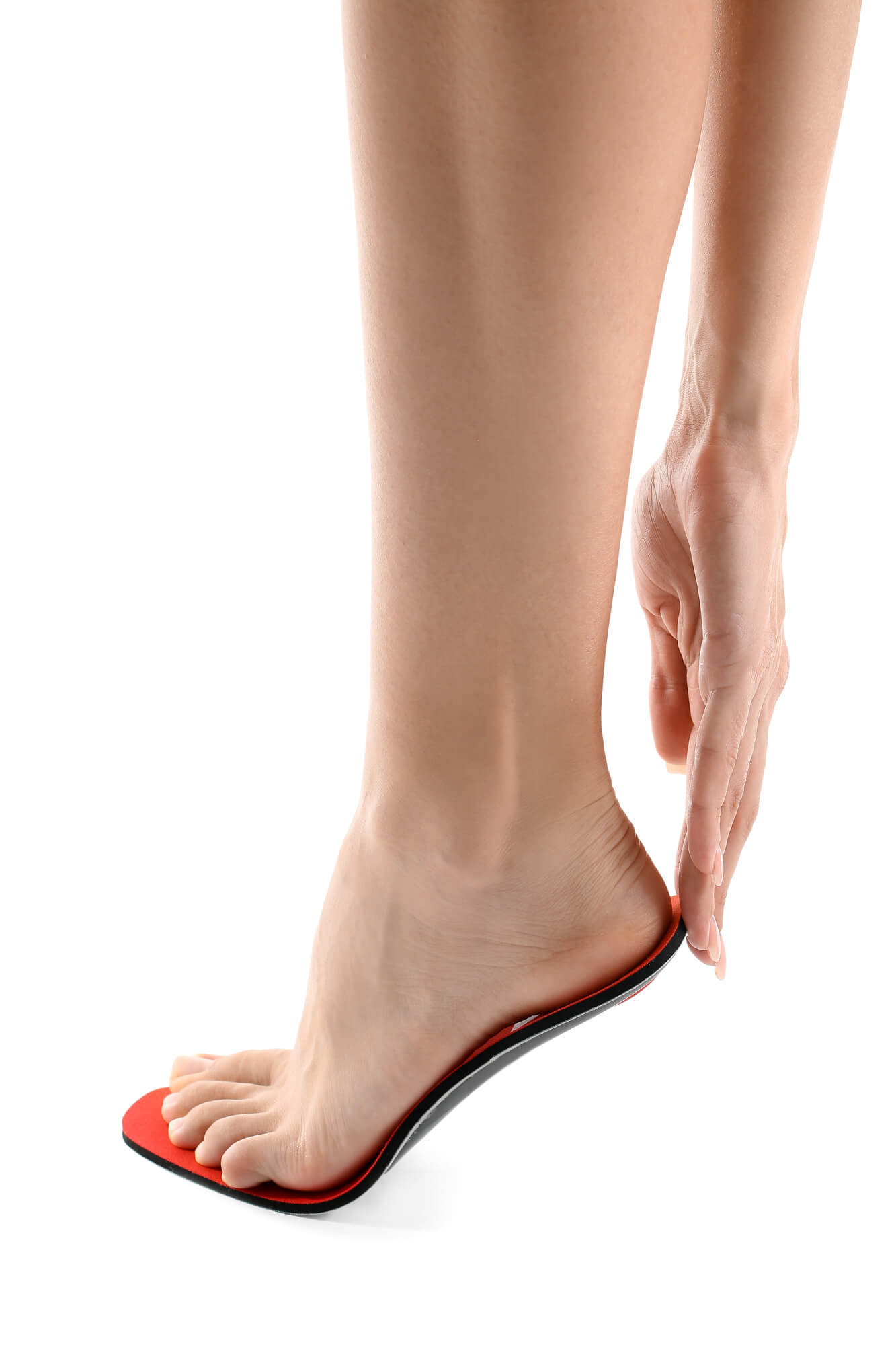
Orthotics and Supportive Footwear
- Custom-made orthotics designed to address your specific foot structure and gait
- Over-the-counter arch supports for mild cases
- Guidance on selecting shoes with proper arch support, cushioning, and stability features
- Heel cups or heel cushions to provide additional shock absorption
Physical Therapy
- Manual therapy techniques to improve tissue mobility
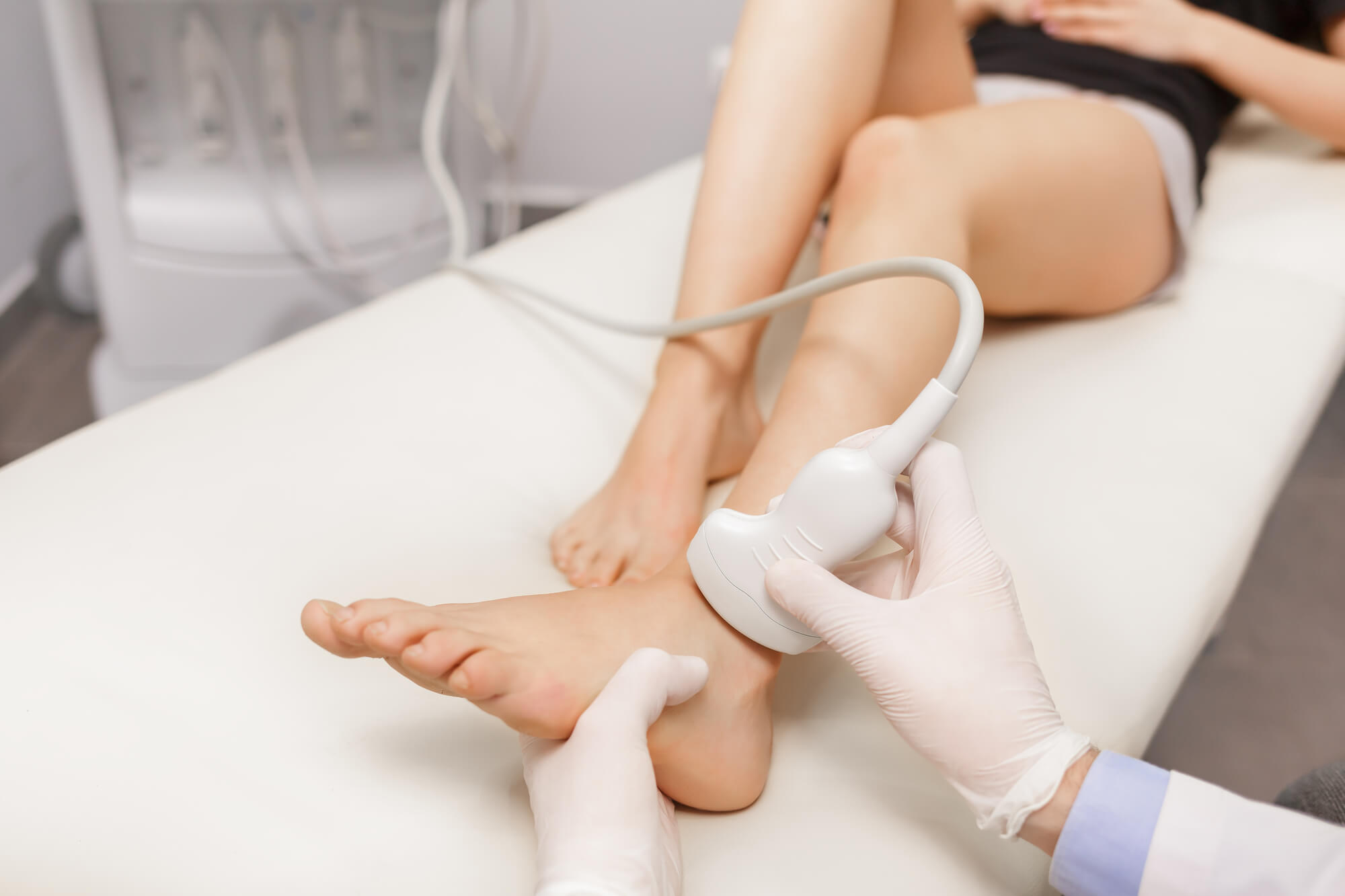
- Ultrasound therapy to reduce inflammation and promote healing
- Iontophoresis, which uses electrical current to deliver anti-inflammatory medication through the skin
- Taping techniques to support the plantar fascia and reduce strain
Medical Treatments
- Anti-inflammatory Medications
- Oral nonsteroidal anti-inflammatory drugs (NSAIDs) to reduce pain and inflammation
- Topical anti-inflammatory creams or gels for localized treatment
Corticosteroid Injections
- Ultrasound-guided injections for precise medication delivery
- Limited number of injections to avoid potential side effects like plantar fascia weakening
- Often combined with other treatments for optimal results
Extracorporeal Shock Wave Therapy (ESWT)
- Non-invasive treatment using high-energy sound waves
- Stimulates blood flow and accelerates the body's healing process
- Typically recommended for chronic cases that haven't responded to other conservative treatments
- May require multiple sessions for optimal results
Platelet-Rich Plasma (PRP) Therapy
- Utilizes the patient's own blood components to promote healing
- Particularly effective for chronic plantar fasciitis and tendon injuries
- May be combined with other treatments for enhanced outcomes
Surgical Options
While surgery is rarely needed, we offer advanced surgical interventions when conservative treatments are ineffective:
Plantar Fascia Release
- Partial detachment of the plantar fascia from the heel bone to relieve tension
- Can be performed as a minimally invasive procedure in some cases
Gastrocnemius Recession
- Lengthening of the calf muscles to reduce stress on the plantar fascia
- Often considered when tight calf muscles contribute to persistent heel pain
Heel Spur Removal
- Removal of heel spurs if they are causing pain or interfering with normal foot function
Neuropathy-Specific Treatments
For patients with neuropathy-related heel pain, we offer specialized treatments:
Nerve Decompression Surgery
- Surgical release of compressed nerves in the foot and ankle
- Can provide significant pain relief and improved sensation in appropriate cases
Medication Management
- Prescription medications to manage neuropathic pain, such as gabapentin or pregabalin
- Topical treatments like capsaicin cream to alleviate nerve pain
Advanced Wound Care
- Comprehensive diabetic foot care to prevent and treat ulcers
- Use of advanced wound dressings and offloading techniques
- Hyperbaric oxygen therapy for difficult-to-heal wounds
Neurostimulation Therapy
- Transcutaneous electrical nerve stimulation (TENS) for pain management
- More advanced options like spinal cord stimulation for severe, chronic neuropathic pain
Lifestyle and Nutritional Counseling
- Guidance on blood sugar management for diabetic neuropathy
- Nutritional advice to support nerve health and reduce inflammation
At Los Angeles Neuropathy and Foot Care Center, we develop a personalized treatment plan that may combine several of these options based on your specific condition, lifestyle, and goals. Our team of experts will work closely with you to find the most effective solution for your heel pain, ensuring you can return to your daily activities comfortably and confidently.
Prevention Strategies
Preventing heel pain is an essential part of maintaining foot health. We recommend the following strategies:
A. Proper footwear
- Choose shoes with good arch support and cushioning. Avoid prolonged use of high heels or shoes with minimal support.
B. Maintaining a healthy weight
- Excess weight puts additional stress on your feet. Maintaining a healthy weight can reduce the risk of heel pain.
C. Regular foot exercises and stretches
- Incorporate daily foot and ankle exercises to improve flexibility and strength.
D. Gradual increase in physical activities
- When starting new exercise routines, increase intensity and duration gradually to allow your feet to adapt.
Why Choose Los Angeles Neuropathy and Foot Care Center
A. Expertise in heel pain treatment
- Our board-certified podiatrists have extensive experience in diagnosing and treating various causes of heel pain, including complex neuropathy cases.
B. Advanced diagnostic and treatment technologies
- Our board-certified podiatrists have extensive experience in diagnosing and treating various causes of heel pain, including complex neuropathy cases.
C. Personalized care approach
- We understand that every patient is unique. Our team develops personalized treatment plans tailored to your specific needs and lifestyle.
Contact Information
Los Angeles Neuropathy and Foot Care Center
Address: 23332 Hawthorne Blvd #104 Torrance, CA 90505
Phone: 424-506-3783
Website: https://www.
To schedule an appointment, please call us or use our contact form available on our website and we will get back with you.
Don’t let heel pain impact your quality of life – take the first step towards relief by contacting us today.
Frequently Asked Questions
Yes, frequent use of flip-flops or going barefoot, especially on hard surfaces, can contribute to heel pain. These practices provide minimal support and shock absorption for your feet, potentially leading to conditions like plantar fasciitis. While occasional barefoot walking on soft surfaces can strengthen foot muscles, it’s important to wear supportive footwear for most daily activities.
Yes, there can be a connection. Chronic heel pain may cause you to alter your walking pattern (gait) to avoid discomfort. This altered gait can put stress on your knees, hips, and lower back, potentially leading to pain in these areas. Additionally, some conditions that cause lower back pain, such as sciatica, can sometimes present as heel pain due to nerve pathways.
While diet isn’t typically a primary treatment for heel pain, certain dietary changes may help. Foods rich in anti-inflammatory properties, such as omega-3 fatty acids (found in fish), turmeric, and green leafy vegetables, may help reduce inflammation associated with conditions like plantar fasciitis. Additionally, maintaining a healthy weight through proper nutrition can reduce stress on your feet. However, dietary changes should complement, not replace, professional podiatric care for heel pain.